
Home / Resources / Physio for shoulder pain
Physio for shoulder pain: what to expect
Shoulder pain is common and often improves with the right exercises and activity changes. A physio can work out what is behind it and guide you back to reaching, lifting and sleeping comfortably. Here is what to expect, and when to see a doctor first.
Why shoulders hurt
Your shoulder moves in more directions than almost any other joint, and relies on a group of muscles and tendons called the rotator cuff to keep it steady. That freedom makes it easy to overload. Common causes include:
- Rotator cuff related pain, often felt on the outside of the shoulder or when lifting the arm
- Frozen shoulder, where the shoulder becomes painful and stiff over time
- Strains and sprains after a fall, a sudden pull or heavy lifting
- Instability, where the shoulder feels loose or slips
- Pain at the top of the shoulder from the AC joint
- Pain that is referred from the neck
If your pain starts in the neck, our neck pain guide may also help.
When to see a doctor first
Most shoulder pain comes from muscles, tendons and joints. But get urgent help if you have:
- Chest pain or pressure, shortness of breath or sweating, especially with pain in your left arm or jaw
- Shoulder pain after a fall or injury, with an obvious deformity or you cannot lift your arm
- A hot, red, swollen shoulder, especially with a fever
- Sudden weakness, numbness or loss of arm function
- Pain that is constant at night or at rest and keeps getting worse, or unexplained weight loss
Chest pain or pressure with arm or jaw pain can be a heart attack. Call 000 straight away.
How a physio can help
A physio will find out which movements bring on your pain and what is likely causing it. For most shoulder problems the main treatment is a guided exercise program.
- Exercises to strengthen the rotator cuff and the muscles around your shoulder blade
- Advice on adjusting overhead work, lifting, sport and sleeping positions
- Guidance on building back up gradually
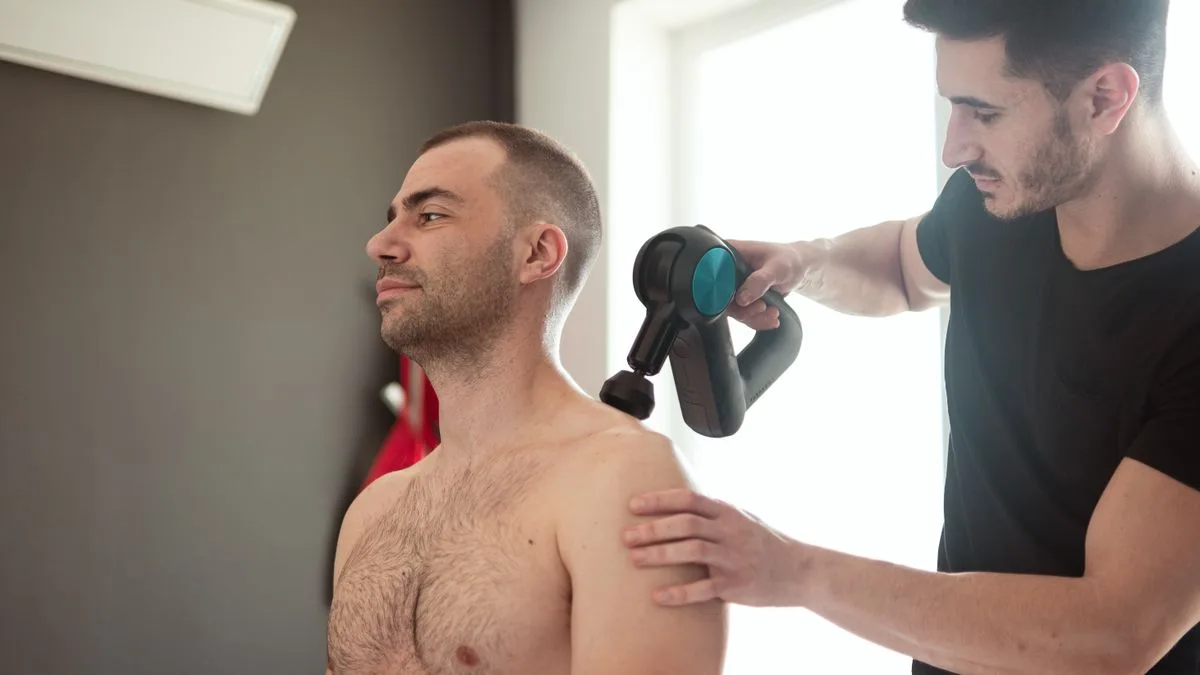
- Hands-on treatment for comfort and movement, where it suits
- Specific movement and stretching for a stiff shoulder
- Checking your neck and upper back, which can contribute
Exercise-based physio is a standard first treatment for rotator cuff related shoulder pain. Your physio should explain how to progress and what to expect along the way.
What to expect at your first visit
Your physio will ask when the pain started, what you do for work and sport, and what makes it better or worse. They will check how your shoulder, neck and upper back move, and test your strength. Bring any scans and a list of your medicines. See our guide to your first physio appointment for a checklist.
Do you need a scan?
Many people with shoulder pain do not need a scan at first. Changes in the rotator cuff are common in people with no pain, so a scan does not always explain your symptoms. A doctor or physio may suggest an ultrasound or MRI after a significant injury, if you are not improving as expected, or if surgery is being considered.
How long does shoulder pain last?
Recovery varies widely. Some shoulder pain settles in a few weeks. Rotator cuff related pain often needs a few months of regular exercise. Frozen shoulder moves through stages and can take many months, sometimes more than a year. Your physio can give you a realistic idea after assessing you.
What you can do while you wait
- Keep the shoulder moving gently within a comfortable range
- Ease off long overhead work or heavy lifting that clearly flares it
- Try a pillow that supports your arm when you sleep
- Take breaks from repetitive tasks
- Ask a pharmacist or doctor about pain relief that is safe for you
Questions to ask your physio
- What do you think is causing my shoulder pain?
- Which movements should I avoid for now?
- How many visits might I need, and how will we know it is working?
- Which exercises should I do at home, and how often?
- When can I go back to my sport or work?
Costs and funding
You can usually book a physio without a referral. Medicare does not usually rebate a standard private appointment, and many private health extras do. Read whether you need a referral and what physio costs.
Common questions
Can a shoulder problem settle on its own?
Some do over weeks to months, especially with sensible activity. Pain that is not improving, wakes you at night or limits your movement is worth having assessed.
Is shoulder pain always a rotator cuff problem?
Pain when lifting the arm, reaching overhead or lying on that side is often linked to the rotator cuff, but several things can cause it. A physio can test which structures are involved.
Should I avoid using my shoulder?
Complete rest is rarely needed. A physio can show you how to stay active while limiting the movements that aggravate it.
Looking for help with a shoulder or arm problem? Browse clinics that treat shoulder and arm problems and compare costs, rebates and opening hours.
This guide is general information, not medical advice. Talk to your doctor or physio about your own situation.
More guides
Physio for neck pain: what helps and what to ask
Common causes of neck pain, how physio helps and the warning signs.
Read the guideWhat to expect at your first physio appointment
What to bring, what happens, and how many sessions you might need.
Read the guideHow much does a physio cost in Australia?
Typical fees, what changes the price, and ways to pay less.
Read the guideReady to book?
Find a physio near you
Compare clinics by cost, rebates and opening hours, then call your top three.